
Construction Skills Training for Beginners Made Easy
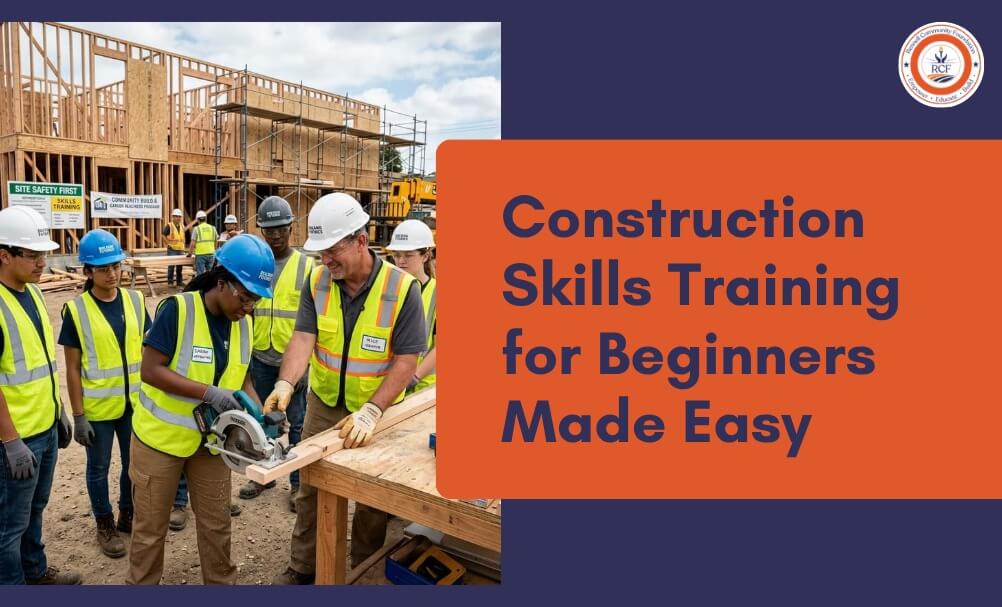
The construction industry offers many opportunities for people who want a hands-on career and a chance to build a strong future. From residential homes and commercial buildings to roads and public projects, skilled workers continue to play an important role in shaping communities. As demand for qualified workers grows, more people are looking at construction as a practical career path with long-term potential.
Many beginners believe they need years of experience before they can enter the construction field. In reality, everyone starts somewhere. With the right Construction Skills Training, beginners can learn important techniques, safety practices, and job site skills that employers value. Training programs are designed to help individuals gain confidence while developing the knowledge needed to work in different areas of construction.
Construction Skills Training can provide a clear path for people who want to learn new skills, earn a steady income, and build a rewarding career. Whether you are finishing school, changing careers, or simply exploring new opportunities, training programs can help you take the first step. With guidance from experienced instructors and hands-on learning opportunities, beginners can develop practical skills that prepare them for real-world construction jobs and future career growth in a fast-moving industry.
What Is Construction Skills Training?
Construction skills training helps people learn the practical knowledge and hands-on techniques needed to work in the construction industry. It provides a foundation in essential job-site skills, safety practices, and trade-specific tasks, allowing individuals with little or no experience to develop the confidence and abilities required to begin a career in the field.
Training plays an important role in preparing people for work in the construction industry. When hands-on experience is gained over time, training helps build the basic knowledge and practical skills needed to get started.
For people new to the construction industry, training programs provide a valuable starting point. They give an opportunity to learn vital skills, know industry practices, and gain practical experience under any guidance of knowledgeable instructors.
Why Construction Is a Great Career Choice for Beginners
For many people starting their careers, construction industry offers a practical and rewarding path. New projects continue to create opportunities across a variety of trades, giving newcomers chance to learn valuable skills when building real-world experience.
Unlike office jobs which keep you tied to a desk, construction involves active, hands-on work. You get to move around, work outdoors, and see certain results of your labor at the end of every day.
Later, career growth opportunities are best. You may start as a laborer, but you may advance to a specialized tradesperson, a site foreman, or even a project manager. Along with this upward mobility comes competitive earning potential. As you gain specialized skills, your salary increases significantly. For detailed information on wages and job growth, you may review construction career outlook and employment data provided by U.S. Bureau of Labor Statistics.
Essential Construction Skills Every Beginner Should Learn
Before you specialize in a specific trade, you must develop a core set of construction job skills. These foundational abilities will serve you well no matter which career path you ultimately choose.
Safety Awareness
Safety is one of the first and most important things every construction worker needs to learn. New workers must understand how to recognize potential hazards, use protective equipment correctly, and follow established job-site safety procedures. A strong understanding of safety practices helps reduce risks, protects workers and those around them, and contributes to a safer working environment for everyone on site.
Tool Handling
A big part of construction work is knowing which tool to use and how to use it properly. Whether it’s a tape measure, hammer, drill, or saw, each tool plays a role in getting the job done right. As workers gain experience, they become more comfortable by using varied tools, it helps them work more efficiently and produce better results on the job site.
Measuring and Reading Plans
Accuracy is critical in the building trades. You must know how to take precise measurements using tape measures, levels, and squares. Additionally, learning to read basic blueprints and construction plans allows you to understand the project’s scope and execute your tasks correctly.
Communication Skills
Job sites are busy, noisy environments. Clear communication is essential for coordinating tasks, ordering materials, and ensuring safety. You must be able to listen carefully to instructions from your supervisors and communicate clearly with your coworkers to keep the project running smoothly.
Teamwork
Virtually no building project is completed by a single person. You will work closely with other laborers, specialized tradespeople, and site managers. Being a reliable team player who supports others and contributes positively to the group dynamic is a vital skill for long-term success.
Problem-Solving Skills
Things do not always go exactly according to plan on a job site. Weather delays, material shortages, or unexpected structural issues occur frequently. Developing strong problem-solving skills may allow you to think on your feet, adapt to changing situations, and may find practical solutions to keep the work moving forward.
Types of Construction Skills Training Programs
When looking for construction trade education, you will find several different pathways. The best choice depends on your learning style, budget, and career goals.
Trade School Programs
Trade schools and vocational programs provide structured training for people interested in learning a specific construction trade. Students typically receive a combination of classroom instruction and practical, hands-on experience, allowing them to build both technical knowledge and job-ready skills.
Apprenticeship Opportunities
Construction apprenticeship opportunities allow you to earn money while you learn. As an apprentice, you work directly under the supervision of a licensed professional during the day and attend classes in the evenings. This combination of on-the-job training and classroom instruction is highly respected in the industry.
Workforce Development Programs
Many state and local governments fund construction workforce development programs. These initiatives are designed to train individuals for high-demand jobs in local economy. They often provide free or low-cost training, focusing on delivering job-ready construction skills quickly so participants can enter the workforce without delay.
On-the-Job Training
Some employers hire beginners with no experience and provide all necessary training directly on the work site. While you get paid from day one, the learning curve can be steep. You must be a fast learner and willing to take direction, as you will be acquiring skills while simultaneously completing actual project work.
Community-Based Training Programs
Non-profit organizations and community foundations frequently run specialized training programs. These courses are designed to support local residents, particularly those facing employment barriers. They provide excellent entry-level construction careers preparation, offering mentorship, basic skills instruction, and job placement assistance.
How Beginners Can Start Construction Skills Training
Taking the first step into a new industry can feel overwhelming. By following a clear, step-by-step process, you can confidently begin your construction career training.
Step 1: Explore Career Options
Start by researching the different trades available. Look into carpentry, electrical work, plumbing, and masonry. Consider what type of work interests you the most, what the physical demands are, and what the earning potential looks like in your area.
Step 2: Choose a Training Program
Once you have a general idea of your interests, select a training pathway. Decide if a trade school, an apprenticeship, or a community-based program fits your needs best. Evaluate the cost, location, and duration of the program before committing.
Step 3: Learn Basic Skills
Commit fully to your chosen training program. Focus heavily on mastering the foundational skills like safety, tool handling, and measurement. Ask questions, take notes, and practice as much as possible.
Step 4: Gain Hands-On Experience
Theory is important, but practical application is where real learning happens. Take advantage of every opportunity to practice your skills in a workshop setting or on a real job site. The more you use your hands, the more confident you will become.
Step 5: Build Industry Connections
Networking is crucial in the building trades. Get to know your instructors, classmates, and site supervisors. Attend local industry events or union meetings. Building a strong professional network can lead to job recommendations and valuable mentorship.
Step 6: Apply for Entry-Level Jobs
Once you have completed your initial training, start applying for jobs. Look for positions labeled as laborer, helper, or apprentice. Tailor your resume to highlight the specific job-ready construction skills you acquired during your education.
Popular Construction Careers for Beginners
The industry offers a wide variety of roles for those just starting out. Here are some of the most accessible entry-level construction careers.
Construction Laborer
Laborers perform a wide range of physical tasks on the job site. You might dig trenches, mix concrete, clean the work area, or unload materials. It is physically demanding work, but it provides a massive amount of exposure to all aspects of the building process.
Carpenter
Carpenters work with wood and other materials to build structural frameworks, install doors, and finish interiors. Many carpenters start as helpers or apprentices, learning to read blueprints and use specialized saws and measuring tools accurately.
Electrician Apprentice
Electricians install and repair electrical systems in homes and commercial buildings. As an apprentice, you will assist licensed electricians with running wire, installing fixtures, and testing circuits, all while learning the strict safety codes required for this trade.
Plumbing Apprentice
Plumbers install and maintain water, gas, and drainage systems. Plumbing apprentices learn how to cut and join pipes, install fixtures like sinks and toilets, and troubleshoot leaks. This trade requires strong problem-solving abilities and a willingness to handle messy situations.
HVAC Technician Trainee
Heating, ventilation, and air conditioning (HVAC) technicians control the indoor climate of buildings. Trainees help install ductwork, replace filters, and perform basic maintenance on heating and cooling units while learning the mechanical and electrical components of the systems.
Equipment Operator
If you enjoy working with heavy machinery, becoming an equipment operator might be the perfect fit. Beginners typically start by learning to operate smaller machines like skid steers or forklifts, eventually working their way up to excavators, bulldozers, and cranes.
The Importance of Mentorship in Construction Training
Learning a skilled trade requires more than just reading a textbook. Mentorship plays a massive role in successful construction skills training.
Working alongside experienced professionals allows beginners to learn the subtle tricks of the trade that are not taught in formal classes. A good mentor helps you build confidence, providing guidance when you struggle with a new technique. Furthermore, mentors help you avoid common mistakes that could lead to injuries or ruined materials.
Mentorship also greatly enhances your overall career development, providing advice on how to navigate the industry and advance your career. You may look for mentorship programs that connect students with skilled trade professionals to find the support you need to thrive.
Financial Support Can Help Beginners Get Started
Cost should never be a barrier to acquiring skilled trades training. Many beginners worry about how to pay for tuition, tools, and safety gear. Fortunately, substantial financial support is available.
Numerous organizations offer scholarships specifically designed for individuals entering the trades. Additionally, some programs provide equipment assistance, ensuring you have the boots, hard hats, and hand tools required to start working safely. Community funding opportunities and workforce grants can also cover the cost of certification exams.
If you are concerned about funding your education, look into scholarship opportunities that help reduce training costs.
Common Challenges Beginners Face in Construction
Starting a new career always comes with hurdles. Acknowledging these challenges early on helps you prepare and overcome them effectively.
One major challenge is a limited amount of experience. Beginners often feel slow or clumsy compared to veteran workers. The solution is patience and persistent practice. Your speed and accuracy will improve naturally over time as you apply your training.
A lack of confidence is just another common hurdle. Standing on a busy job site can be intimidating. You may overcome this by asking questions, relying on your safety training, and looking out a supportive mentor who can guide your progress.
Financial barriers can also make it difficult to buy tools or afford reliable transportation to job sites. Exploring scholarships and community support programs can provide the necessary financial relief to get you on your feet.
Lastly, industry knowledge gaps may leave you feeling confused by specific terminology or blueprints. The best way to fix this is through continuous education.
How Construction Training Benefits Communities
When individuals pursue construction skills training for beginners, the entire community reaps the rewards.
First, training creates a stronger, more capable local workforce. When local companies can hire skilled labor from within their own city, it drives local economic growth. Money stays within the community, supporting other small businesses and services.
Later, training programs help reduce severe labor shortages that currently plague the industry. By filling these vital roles, important community infrastructure projects like schools, hospitals, and housing can be completed on time and on budget. Ultimately, offering more career opportunities for young adults leads to lower unemployment rates and stronger, more resilient neighborhoods.
Future Opportunities in the Construction Industry
The construction industry continues to evolve as new projects, infrastructure upgrades, and energy-efficient building initiatives drive demand for skilled workers. At same time, technology is becoming a bigger part of everyday construction work. For a right look at what future holds, you can review national workforce trends and construction employment projections. The data clearly shows that long-term career growth in this sector is highly promising.
Conclusion
The building industry gives incredible, high-paying opportunities for anyone willing to put in the work. By enrolling in construction skills training, beginners may acquire critical safety knowledge, tool handling abilities, and problem-solving skills required to excel on any job site.
This educational foundation may build massive confidence and opens the door to numerous career paths, from carpentry and plumbing to heavy equipment operation.
If you are ready to take control of future and building a rewarding career, we are here to help. The Rennell Community Foundation actively supports workforce development by giving career related programs, scholarship funding, and mentorship opportunities. We are dedicated to creating clear pathways into trades for motivated individuals. Please connect with our team to learn more about available training opportunities and take your first step toward a successful future today.
Frequently Asked Questions
What construction skills should beginners learn first?
Beginners should always focus on safety awareness first. After mastering basic OSHA safety guidelines, they should learn basic tool handling, precise measuring techniques, and how to effectively communicate on a noisy job site.
How long does construction training take?
The timeline varies depending on the program. Basic certificate programs or community workforce training can take anywhere from a few weeks to six months. Formal apprenticeships, however, usually take three to five years to complete.
Do I need experience to start construction training?
No prior experience is necessary. Beginner training programs are specifically designed for individuals who have never picked up a tool, teaching all the necessary fundamentals from the ground up.
What jobs can I get after construction training?
Graduates frequently secure entry-level roles such as construction laborers, carpenter’s helpers, electrical apprentices, or plumbing trainees. As you gain field experience, you can quickly advance to specialized, higher-paying positions.
Are there scholarships available for construction training?
Yes, there are many financial aid options available. Community foundations, trade unions, and industry associations regularly offer scholarships and grants to help cover the cost of tuition, tools, and safety equipment.