
Career Exploration in Skilled Trades: Find Your Best Career
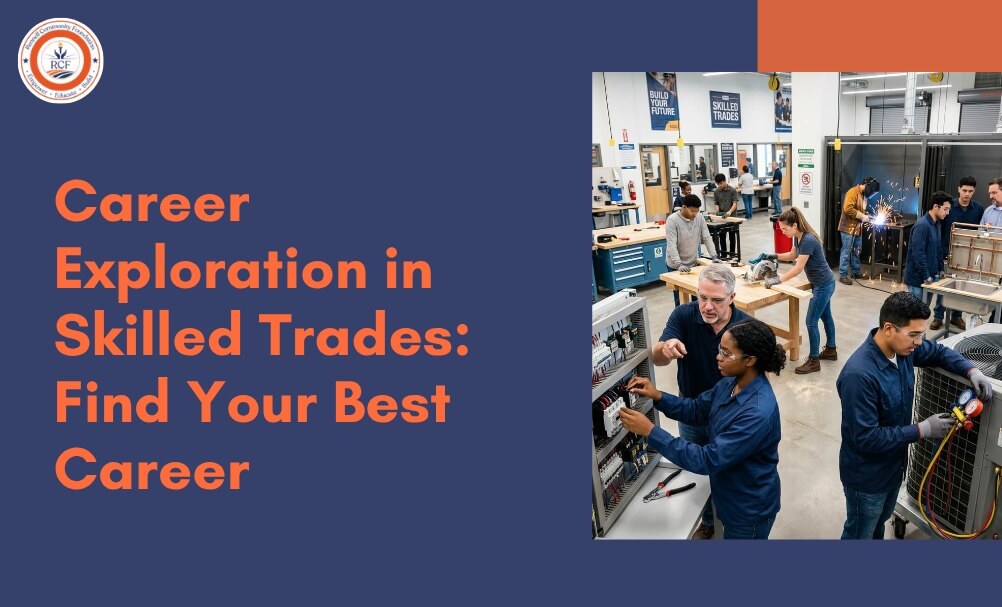
Choosing a career is a big decision, and it’s not always an easy one. With so many options available, it’s normal to feel unsure about which direction to take. That’s why taking the time in career exploration in skilled trades is so important.
The demand for trade professionals is surging across the country. Construction crews, industrial facilities, and infrastructure projects are all competing for qualified workers and the talent pipeline simply isn’t keeping up. As U.S. Bureau of Labor Statistics Occupational Outlook Handbook (bls.gov/ooh), occupations in construction, extraction, installation, and maintenance are projected to grow steadily, with many roles offering above-average wages and strong job security.
For students, career changers, and anyone still figuring out their direction, the skilled trades give something that’s rare. But getting there begins with intentional career exploration.
This guide covers the key information you need to get started. You’ll learn about some of today’s most in-demand skilled trades, what each career involves, and how to choose a path which fits your interests and goals. It also explains the training options available and where to find programs that can help you build skills needed for a successful career.
What Is Career Exploration in Skilled Trades?
Career exploration is the process of learning about different career options before deciding which path to pursue. It involves knowing what a job is like on a day-to-day basis, skills and qualifications it requires, the training involved, and the opportunities it may offer.
When it comes to the skilled trades, career exploration can help people look beyond outdated assumptions. Many trade careers give competitive pay, opportunities for advancement, the chance to work in a broad range of industries. Some professionals move into leadership positions, while others start their own businesses or build specialized careers as new technologies continue to shape the industry.
Taking the time to explore your options before enrolling in a training program or apprenticeship may help you make a more informed decision. It allows you to choose a career that matches your interests, strengths, and long-term goals, that gives you a clearer knowing of what to expect from the work.
Why Skilled Trades Offer Excellent Career Opportunities
The employment outlook for skilled trade occupations is strong, and it’s getting stronger. Federal infrastructure investments, green energy expansion, and ongoing manufacturing growth are new demand for trained tradespeople across varied sector.
This is why skilled trades stand out as career options:
- High demand: Many trade occupations are facing worker shortages, that gives qualified professionals strong negotiating power and job security.
- Competitive earnings: Electricians, plumbers, and HVAC technicians routinely earn wages well above the national average, according to BLS data.
- Practical, hands-on work: Skilled trade careers are built around doing building, repairing, installing, and solving real-world problems.
- Career stability: Physical infrastructure always needs maintenance and improvement. Trade careers are largely recession-resistant.
- Advancement opportunities: Many tradespeople move into project management, business ownership, or technical instruction over time.
Popular Skilled Trade Careers to Explore
Skilled trades cover a broad landscape. Here’s a closer look at seven high-demand options:
Electrician
Electricians install, maintain, repair electrical power systems in homes, businesses, and industrial facilities. The work needs strong problem-solving skills, attention to safety codes, and the ability to read technical blueprints. Electricians may work indoors and outdoors, even in a variety of environments.
HVAC Technician
Heating, ventilation, air conditioning, and refrigeration (HVAC) people install and service climate control systems. The work is both technical and physical, requiring knowledge of electrical systems, refrigerants, and mechanical components. HVAC is one of the faster-growing trades, driven in part by demand for energy-efficient systems and green building standards.
Plumber
Plumbers install and repair certain piping systems in residential, commercial, and even industrial settings. The role demands precision, problem-solving, and a solid understanding of water pressure, drainage, and local building codes.
Welder
Welders join metal components using heat and specialized equipment. They work across construction, manufacturing, shipbuilding, and energy sectors. Different welding specializations MIG, TIG, and arc welding, for example, open doors in different industries.
Carpenter
Carpenters construct, install, and even repair building frameworks and structures. The work can range from rough framing on a construction site to fine finish work on cabinetry and interior trim. Carpentry is one of the most versatile of the construction career opportunities, with pathways into residential building, commercial construction, and specialty woodworking.
Heavy Equipment Operator
Heavy equipment operators control bulldozers, excavators, cranes, and similar machinery on construction and excavation sites. The role needs spatial awareness, mechanical understanding, and strict safety discipline.
Industrial Maintenance Technician
Industrial maintenance technicians keep manufacturing and production equipment running efficiently. They troubleshoot breakdowns, perform preventive maintenance, and repair mechanical, electrical, and hydraulic systems. This is a fast-growing skilled trade career, as automation increases the complexity and importance of maintaining industrial machinery.
How to Choose the Right Skilled Trade Career
Not every trade is the right fit for every person. Making a thoughtful choice requires honest self-reflection and some practical research.
Ask yourself:
- What work do I enjoy? Some trades are more creative; others are more analytical or mechanical.
- What kind of work environment do I enjoy? Some trades involve working outdoors, lifting heavy materials, or spending time in tight spaces, while others are mostly indoors.
- What do I want from my career? Think about whether you’re interested in becoming a supervisor, starting your own business, or developing expertise in a particular trade.
- How much training am I prepared to complete? Training requirements vary. Some careers can be entered relatively quickly, while others require longer apprenticeships or additional certifications.
- What opportunities are available where I live? Demand for skilled workers differs from one region to another. Looking into local employers, industries, and job openings can help you choose a trade with strong career prospects in your area.
CareerOneStop, sponsored by U.S. Department of Labor, offers career planning and workforce development resources that can help you compare trade careers, explore local job markets, and find training options near you.
Skills That Help You Succeed in Skilled Trades
Knowing the technical side of a trade is crucial, but it’s not just one thing employers look for. The way you work with others, handle challenges, and approach your job may have just as much impact on career.
Some skills that matter in almost every trade:
- Communication: Clear communication helps everyone stay on the same page, whether you’re working with teammates, supervisors, contractors, or customers.
- Teamwork: Most trade jobs are a team effort. Being someone others may rely on makes day-to-day work easier and projects more successful.
- Issue-solving: Unexpected issues are part of job. Being able to assess a situation and find a practical solution is an important skill.
- Safety and Security: Following safety procedures and staying aware of your surroundings may help prevent accidents and keeps the job site safe.
- Crucial Reliability: Employers value people who arrive on time, take responsibility for work, and do what they say they’ll do.
- Certain Technical skills: Every trade needs hands-on skills, from using tools correctly to reading plans and following technical instructions.
- Willingness to learn things: New tools, equipment, and techniques are introduced everytime. Staying curious and continuing to learn can create more opportunities as your career grows.
Education and Training Pathways
One of the most appealing aspects of skilled trade careers is that there are multiple ways to get trained and qualified and college debt is rarely part of the equation.
- Apprenticeships: The gold standard for many trades. Apprenticeship career pathways that help you earn while learning combine on-the-job training with classroom instruction, typically over two to five years. You get paid from day one.
- Trade schools and vocational programs: Focused technical education that prepares you for a specific trade, even in one to two years.
- Workforce development programs: Community-based initiatives that connect job seekers with trade training and employer networks.
- Community colleges: Many give associate degrees or certificates in technical fields at an accessible cost.
- Industry certifications: Certifications from recognized organizations validate your skills and may even increase your earning potential.
- No matter which path you choose, technical career education provides a structured foundation that accelerates your growth from beginner to professional.
Financial Support Can Help You Start Your Career
Cost shouldn’t be a barrier to entering a skilled trade. A range of financial resources exists to help aspiring tradespeople cover certain training expenses and get equipped for the job:
- Scholarships: Many trade associations, community foundations, and workforce organizations offer scholarship opportunities that support future skilled professionals.
- Workforce grants: Federal and state workforce development grants may fund training programs for eligible individuals.
- Community support programs: Local nonprofits and economic development organizations even assist with training costs, tools, and resources.
- Employer-sponsored training: Some employers pay for their workers to complete certifications or continue technical education.
Research available options early, and don’t assume financial aid is only for college-bound students.
Common Mistakes When Choosing a Career
Choosing a career takes time, and avoiding a few mistakes can make the process much easier.
- Don’t choose a career just because someone else did. A trade that suits a friend or family member may not be the right fit for your interests, skills, or goals.
- Look at job opportunities before deciding. It’s important to choose a career that not only interests you but also has strong demand where you want to work.
- Don’t focus only on salary. Good pay is important, but so are job satisfaction, opportunities to grow, and enjoying the work you do every day.
- Know the training involved. Every trade has different education, apprenticeship, and licensing requirements. Knowing what’s expected before you begin can help you avoid surprises later.
- Start exploring early. The more time you spend learning about different careers, the easier it becomes to choose a path that fits your strengths and long-term plans.
A Real Career Journey Example
Understanding the steps involved in building a career can make the journey feel much more manageable. While everyone’s path is different, many people working in the skilled trades follow a similar progression:
Career Interest → Career Exploration → Training → Mentorship → Apprenticeship → Employment → Career Growth
Each stage builds on the one before it. You start by exploring different career options, develop your skills through training and hands-on experience, and eventually begin working in your chosen trade. From there, new opportunities can open up, whether that’s taking on more responsibility, learning specialized skills, or moving into leadership roles. A career in the skilled trades is something you continue to build over time.
Why Skilled Trades Matter to Communities
Skilled workforce careers don’t just benefit individuals. They’re essential to the communities those individuals live in.
Roads, bridges, power grids, water systems, schools, and hospitals all depend on the hands of trained tradespeople. When communities have a strong pipeline of skilled workers, local businesses can grow, infrastructure can be maintained, and economic development becomes possible. Closing the skilled labor gap through workforce development is one of the most direct ways to invest in community resilience and long-term prosperity.
The Future Outlook for Skilled Trade Careers
The horizon for skilled trade careers may look promising. Several major forces are driving sustained demand:
- Infrastructure investment: Public spending on roads, bridges, and utilities continues to create construction career opportunities worldwid.
- Green energy: The shift toward solar, wind, and energy-efficient building systems is creating entirely new trade specializations.
- Advanced manufacturing: Automation and robotics are expanding the need for industrial maintenance technicians who can work alongside technology.
- Aging workforce: As veteran tradespeople retire, the gap left behind creates significant opportunities for the next generation.
U.S. Bureau of Labor Statistics projects continued growth across many trade occupations through 2033, reinforcing that entry into the skilled trades now is a strategically sound decision.
Your Next Step Starts Here
Career exploration in skilled trades is the foundation of a smart, sustainable career plan. Taking time to know your options comparing trades, researching training pathways, and evaluating job demand puts you in control of your future rather than leaving it to chance.
The Rennell Community Foundation supports individuals throughout every stage of this journey. From career exploration and workforce development programs to mentorship, scholarships, and hands-on training, the Foundation gives the resources and connections that help people build real careers in the skilled trades. If you’re just starting to explore your options or ready to take the next step toward a training program, the Rennell Community Foundation is here to help. Connect with our team to explore skilled trade career opportunities and find out what’s possible for your future.
Frequently Asked Questions
What is career exploration in skilled trades?
Career exploration in skilled trades is the process of researching and evaluating different trade career paths such as electrician, plumber, or HVAC technician before committing to training or an apprenticeship. It helps individuals identify which trade aligns best with their skills, interests, and career goals.
How do I choose the right skilled trade career?
Start by assessing your personal interests, physical work preferences, and long-term goals. Then research the training requirements, job demand, and earning potential for trades that appeal to you. Tools like CareerOneStop (careeronestop.org) can help you compare options and explore local opportunities.
Which skilled trades are in the highest demand?
Electricians, HVAC technicians, plumbers, welders, and industrial maintenance technicians are among the most in-demand skilled trade careers, according to the U.S. Bureau of Labor Statistics Occupational Outlook Handbook. Demand varies by region, so researching your local job market is recommended.
Do I need a college degree for a skilled trade career?
No. Most skilled trade careers require a vocational program, apprenticeship, or industry certification rather than a four-year college degree. Many apprenticeship career pathways allow you to earn a wage while receiving training.
How can I get started in a skilled trade?
Begin with career exploration to identify a trade that suits your interests and goals. Then look into local training programs, apprenticeship opportunities, and financial support options such as scholarships and workforce development grants. Organizations like the Rennell Community Foundation can connect you with resources and mentorship to get started.