
Earn While You Learn Programs: A Beginner’s Guide 2026
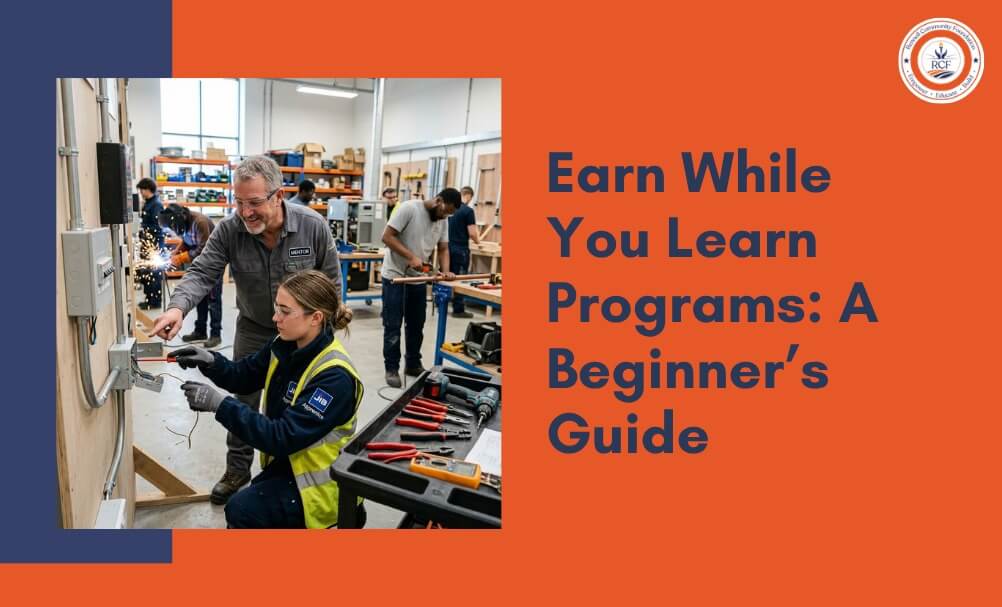
Student loan debt in the United States has surpassed $1.7 trillion. For millions of people considering a career change or just starting out, that number alone is more to rethink traditional college path. Earn while you learn programs give an alternative, one where you build real skills, collect a real paycheck, and graduate without any mountain of debt.
These programs have grown significantly in recent years, driven by a widening skilled labor shortage and increased investment in workforce development across the country. Industries like construction, electrical work, plumbing, and manufacturing are actively recruiting through paid apprenticeship programs and vocational career training, offering structured pathways that get people into rewarding careers faster than a four-year degree ever could. U.S. Bureau of Labor Statistics tracks career outlook for skilled trade occupations and consistently shows strong demand and competitive wages across these fields.
This blog covers everything a beginner needs to know about earn while you learn programs; what they are, who qualifies, which industries offer them, and exactly how to get started.
What Are Earn While You Learn Programs?
Earn while you learn programs may allow people to gain practical work experience while receiving training and earning a regular paycheck. Instead of completing all of your education before entering the workforce, you learn on the job under the guidance of experienced professionals while building the skills needed for chosen career.
This approach is different from the traditional education model because work and training happen at the same time. Instead of practicing only in a classroom, participants apply what they learn in real workplaces, work on actual projects, and gain experience that employers value.
Apprenticeships are one of the best examples of earn while you learn programs, but they’re not just an option. Many employers, workforce development organizations, and industry groups also offer paid training programs and certification pathways which combine learning with hands-on experience.
Why More People Are Choosing Earn While You Learn Programs
The appeal is clear. Traditional higher education has become expensive, time-consuming, and, for many career paths, unnecessary. Earn while you learn programs address all three problems at once.
Lower education costs. Tuition fees for apprenticeship career pathways are often covered by the employer or subsidized through government workforce programs. Participants rarely take on debt.
Paid work experience. This is defining feature. Unlike unpaid internships, these programs compensate participants from start.
Faster employment. Most programs last between one and five years, after which graduates are fully qualified for their trade. Compare that to a four-year degree that may still require additional certifications before landing a job.
Career confidence. There is a major psychological difference between learning something in theory and actually doing it. Hands-on career learning builds the kind of confidence that sticks.
Industry demand. U.S. Bureau of Labor Statistics Occupational Outlook Handbook, construction and extraction occupations, electricians, plumbers, and HVAC technicians are all projected to see steady or growing demand over the next decade. Skilled trades are not shrinking, they are expanding.
Benefits of Earn While You Learn Programs
Earn an Income During Training
From the first week of the program, participants receive compensation. This is not a stipend or a token payment; it is a wage tied to the work being performed. For anyone who cannot afford to stop working while studying, this changes everything.
Gain Hands-On Experience
Work and learn opportunities place participants in active job environments. Every day on the job teaches something a textbook cannot replicate problem-solving under pressure, working with a team, managing time across shifting priorities. These experiences translate directly into employability.
Reduce Student Debt
The financial case is hard to argue with. Apprenticeship opportunities and employer-sponsored training programs typically require little to no out-of-pocket cost from the participant. The result is a job-ready graduate who starts their career financially free rather than financially burdened.
Develop Job-Ready Skills
Vocational career training focuses on practical, applicable skills. Participants learn exactly what they need to perform well in their chosen field. There is no filler, no elective courses that have nothing to do with the job, just focused, relevant training.
Build Long-Term Career Success
Completing an earn while you learn program doesn’t mark the end of advancement. Many graduates move into supervisory or specialist roles, start their own businesses, or use their trade qualifications as a foundation for further professional development.
Industries That Offer Earn While You Learn Programs
Skilled trades apprenticeships are available across a wide range of industries, with some sectors offering more structured pathways than others.
Construction
From framing to finishing, construction apprenticeships cover everything that goes into building the places people live and work. Entry-level roles often lead to careers as foremen, project supervisors, or independent contractors.
Electrical
Electricians install, maintain, and repair the systems that power modern life. According to the BLS, electricians earn a median annual wage well above the national average, and apprenticeship programs typically run four to five years of combined on-the-job and classroom training.
HVAC
Heating, ventilation, air conditioning, and refrigeration technicians are in high demand, particularly as energy efficiency becomes a national priority. HVAC apprenticeships typically last three to five years and lead to well-paying, stable careers.
Plumbing
Heating, ventilation, air conditioning, and certain refrigeration (HVAC) technicians are in demand, as energy efficiency becomes a priority. HVAC apprenticeships typically last three to five years and lead to well-paying, stable careers.
Welding
Welding is a skilled craft with applications across manufacturing, construction, aerospace, and shipbuilding. Many welding programs are shorter than other trade apprenticeships, making them an attractive option for people who want to enter the workforce quickly.
Manufacturing
Modern manufacturing facilities need workers who understand automated systems, precision equipment, and quality control processes. Earn while you learn programs in manufacturing often partner directly with employers, meaning graduates have a job lined up before they finish training.
Heavy Equipment Operation
Operators of cranes, bulldozers, excavators, and other large machinery are essential to infrastructure projects. These apprenticeship opportunities often include simulator training alongside real equipment experience, and qualified operators command strong wages.
Who Can Join Earn While You Learn Programs?
These programs are designed to be accessible. Most do not require a college degree or prior industry experience. Common eligibility criteria include:
- High school graduates or GED holders: A high school diploma is the standard baseline requirement for most registered apprenticeships.
- Young adults (18+): Many programs specifically target young people looking for an alternative to college.
- Career changers: Adults who are dissatisfied with their current field or recently made redundant often find earn while you learn programs to be an efficient pivot strategy.
- Veterans: Many workforce development programs offer dedicated pathways for veterans, recognizing the discipline and transferable skills military service provides.
- Individuals seeking practical careers: People who learn better by doing than by sitting in a lecture hall tend to thrive in these environments.
For those exploring options, CareerOneStop sponsored by the U.S. Department of Labor provides career planning and apprenticeship resources tailored to a wide range of backgrounds and career goals.
Step-by-Step Guide to Getting Started
Step 1: Choose Your Career Goal
Research which skilled trades interest you most. Think about physical demands, working environments, earning potential, and long-term career options. Informational interviews with people already working in the field are invaluable at this stage.
Step 2: Research Available Programs
Look for registered apprenticeship programs through your state’s workforce development agency, trade unions, employer associations, or platforms like CareerOneStop. Confirm that the program is formally registered, which ensures it meets established quality standards.
Step 3: Apply for Apprenticeships
Prepare a strong application. Highlight any relevant experience, your willingness to learn, and your reliability. Some programs include aptitude tests or interviews take these seriously.
Step 4: Complete Training
Once accepted, treat the program like a career from day one. Show up consistently, ask questions, take on challenges, and build relationships with mentors and colleagues. Your performance during training directly influences the opportunities available to you afterward.
Step 5: Continue Building Your Career
Upon completion, pursue any relevant licenses or certifications. Many graduates move into leadership roles within a few years. Others use their trade credentials to start their own businesses or specialize in high-demand niches.
Financial Support Can Make Career Training More Affordable
While earn while you learn programs already reduce costs dramatically, additional financial support is often available. Scholarship opportunities that support career training can help cover tools, equipment, or supplementary coursework costs. Grants and bursaries through community foundations, trade associations, and government agencies are worth researching early. Many workforce development programs also provide equipment assistance and connect participants with community support services during the training period.
Common Mistakes Beginners Should Avoid
Waiting too long to apply. Apprenticeship programs often have limited spots. Delaying the application process can mean waiting an entire cycle before the next intake opens.
Choosing a career without research. Passion for a trade matters, but so does market demand. Investigate the job outlook and wage prospects for any field you are considering.
Ignoring apprenticeship opportunities. Some applicants overlook formal apprenticeship programs in favor of unregistered arrangements that offer less structure, fewer protections, and weaker career outcomes.
Missing financial aid. Many participants leave money on the table by not researching available scholarships, grants, or equipment assistance programs.
Not asking questions. The mentorship relationship at the heart of most earn while you learn programs only works if you engage with it actively. Ask questions, seek feedback, and learn from the people around you.
A Real-Life Career Journey
The path through an earn while you learn program follows a clear arc:
Career Interest → Training Program → Earn While Learning → Mentorship → Industry Experience → Career Success
Someone who discovers an interest in electrical work at 19 could be a licensed journeyman electrician by 24, earning a competitive wage with zero student debt. With further experience and continuing education, that same person could become an electrical contractor running their own business by 30. The timeline is faster than most people expect, and the financial rewards are substantial.
Why Employers Value Earn While You Learn Graduates
Employers consistently rank apprenticeship graduates among their most valuable hires. The reasons are practical:
- Practical skills: Graduates may perform core job functions from their first day as a full employee, without extensive remedial training.
- Workplace experience: They know how job sites work, how teams function, and how to handle such problems.
- Reliability: A multi-year program signals commitment and consistency, traits employers prioritize.
- Quick onboarding: As graduates are familiar with such industry tools, terminology, and processes, integration into workforce happens quickly.
The Future of Earn While You Learn Programs
The demand for skilled tradespeople will grow as the existing workforce ages and retires. Infrastructure investment across the United States in roads, energy systems, water infrastructure, and public buildings is now creating sustained demand for qualified workers.
Workforce development programs are evolving to keep pace. Hybrid training models, digital simulation tools, and industry-specific certification tracks are making earn while you learn programs more flexible and more accessible than ever before. Those who enter these programs now are positioning themselves at the front of a long-term growth curve.
For comprehensive career planning and apprenticeship resources, CareerOneStop remains one of the most useful tools available to anyone beginning this journey.
Take the First Step Toward a Career That Pays
Earn while you learn programs offer a proven, practical route into rewarding careers particularly across the skilled trades. Participants gain real experience, receive a paycheck via their training, and enter workforce without the debt burden which comes with many traditional education paths.
Rennell Community Foundation supports individuals at every stage of this journey. Through workforce development initiatives, mentorship connections, scholarship opportunities, and hands-on career training programs for future skilled professionals, the foundation helps people explore career pathways and take concrete steps toward their goals. Connect with our team to explore career training opportunities and find out which programs are available in your area.
Frequently Asked Questions
What are earn while you learn programs?
Earn while you learn programs are structured training arrangements that combine paid employment with skills development. Participants work in their chosen trade from day one, earning wages while completing the training required to become fully qualified.
Do earn while you learn programs pay participants?
Yes. Payment is a defining feature of these programs. Wages are paid throughout the training period and typically increase as participants progress and develop new skills.
What careers offer earn while you learn opportunities?
Earn while you learn programs are widely available in construction, electrical, HVAC, plumbing, welding, manufacturing, and heavy equipment operation. Many other industries also offer similar paid training pathways through employer-sponsored programs.
How can beginners apply for these programs?
Beginners should research registered apprenticeship programs through their state workforce agency, trade unions, or platforms like CareerOneStop. Applicants should prepare relevant documentation, be ready for aptitude testing or interviews, and apply early due to limited program capacity.
Are earn while you learn programs better than traditional college?
The answer depends on the career goal. For skilled trades and vocational careers, earn while you learn programs often provide faster entry into the workforce, lower financial costs, and stronger practical preparation than a traditional four-year degree. They are not a replacement for all academic paths, but for many careers, they are the more efficient and financially sound choice.