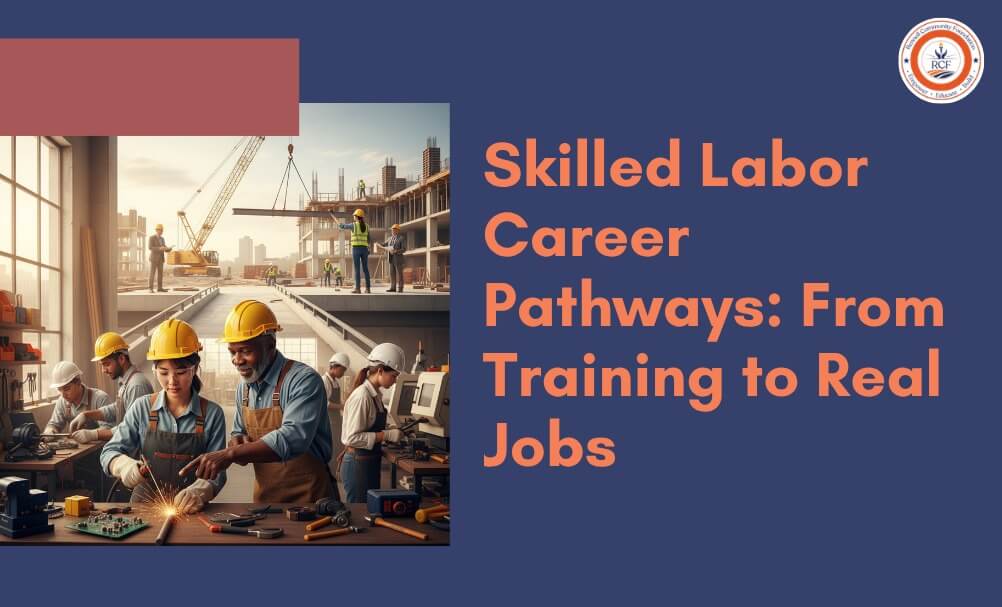
Skilled Labor Career Pathways: From Training to Real Jobs
Deciding what to do after high school isn’t always easy. A lot of students feel like they have to go to a four-year college because that’s the “expected” path, but it doesn’t suit everyone. Tuition fees keep on rising, and many graduates end up having years of student debt. At the same time, there are industries out there that are actively looking for people and struggling to find enough skilled workers.
That’s where trade careers come into the picture. Jobs such as electricians, plumbers, and construction workers are in high demand, and they often come with solid pay and steady work. Instead of spending years in a classroom, you can start learning practical skills and earning sooner.
To get into these fields, there are clear paths you can follow. These step-by-step routes help you move from having little to no experience to becoming a skilled professional. Once you know how these paths work, it becomes much easier to plan your future and build a stable career without taking on heavy college debt.
What Are Skilled Labor Career Pathways?
A career pathway is simply a clear route that guides you from learning to earning. When it comes to skilled trades, these pathways focus on helping you build practical, hands-on abilities needed for specific jobs.
Instead of spending years only studying theory, you learn skills that you can actually use on the job. The process usually starts with basic learning, then moves into hands-on training, followed by certification, and eventually leads to full-time work.
What makes this approach effective is how practical it is. You don’t just read about the work, you practice it yourself. By the time you’re ready to step into a job, you already have real experience and a better sense of confidence in what you’re doing.
![alt=”skilled labor career pathways training students”]
Why Skilled Trades Careers Are Growing Fast
The demand for workers in the skilled trades is surging. Older generations of tradespeople are retiring, and there are not enough young workers stepping up to replace them. According to data from the U.S. Bureau of Labor Statistics, employment in construction and extraction occupations is projected to rise significantly over the next decade.
The high demand creates massive opportunities for new workers. When companies compete for talent, wages go up. Many skilled trades jobs offer starting salaries that rival or exceed those of college graduates. You also get the benefit of job security. A computer cannot wire a house, and an algorithm cannot fix a broken pipe. These jobs require human hands and human problem-solving skills, making them incredibly safe from automation. Add in the fact that you can enter these fields with little to no student debt, and the financial benefits become obvious.
Different Types of Skilled Labor Career Pathways
There is no single “right” way to learn a trade. Different industries and individuals require different approaches. Here are the most common skilled labor career paths you can take to reach your goals.
Trade School Programs
Trade schools, known as technical schools, offer focused classroom and laboratory education. Trade school education strips away the general education courses you find at regular colleges. Instead, you spend all your time learning the exact skills needed for your chosen profession. These programs usually take between six months and two years to complete.
Apprenticeships
If you want to earn money while you learn, apprenticeship opportunities are the way to go. An apprenticeship pairs you with an experienced professional. You work alongside them on real jobs, learning trade through direct observation and practice. Most apprenticeships also include a classroom component, ensuring you understand the codes and theories behind the physical work.
Certification Programs
Sometimes you need to prove you have a specific skill before a company will hire you. Trade certification programs provide this proof. These are short, intense training courses focused on a single aspect of a trade, like a specific type of welding or advanced electrical safety. Certifications make your resume stand out and can lead to higher pay.
On-the-Job Training
Some companies prefer to hire enthusiastic beginners and train them from scratch. This type of hands-on career training allows you to start working immediately as a helper or laborer. As you prove your reliability and willingness to learn, the company teaches you more advanced skills, moving you up the ladder internally.
From Training to Real Jobs: How It Works
Moving from the classroom to a steady paycheck is a straightforward process. If you follow these basic steps, you will set yourself up for long-term success.
- Choose a trade. Pick a field that matches your interests. Do you like working with wires? Consider becoming an electrician. Do you enjoy building things out of wood? Look into carpentry.
- Get training. Enroll in a trade school or find an apprenticeship. This is where you will build your foundational knowledge.
- Gain hands-on experience. Put your textbook knowledge to the test. Work on real projects, handle the tools, and learn how to navigate a real job site.
- Get certified. Pass any exams required by your state or local government to earn your official license or certification.
- Start working. With your skills and credentials in hand, apply for full-time positions. Many training programs will even help place you with an employer.
![alt=”students learning job-ready skills training in a workshop”]
Skills You Need to Succeed
Doing well in a trade isn’t just about physical effort. It takes a mix of technical know-how and the right attitude to really stand out. Training programs will teach you the practical side of things, like reading blueprints, using tools properly, or handling machinery.
But that’s only part of the picture. You also need to be good at solving problems. On a job site, things don’t always go as planned, so being able to figure out what went wrong and fix it safely is a big part of the work. Teamwork matters just as much. You’ll often be working with other people, and clear communication helps avoid mistakes and keeps everything running smoothly.
In the end, being reliable makes a huge difference. Showing up on time, putting in honest effort, and respecting the work environment can set you apart and make you someone employers can count on.
Challenges Students Face
A career in the trades can be very rewarding, but getting there isn’t always simple. Many students run into challenges along the way that can slow them down. Even though trade school is usually more affordable than college, the cost can still be difficult for some families to manage.
There are also extra expenses to think about. In many trades, you’re expected to have your own basic tools before you even begin working. Putting together a full set of good-quality tools may be quite costly, especially when you’re just starting out.
Another common issue is the lack of proper guidance. A lot of schools focus mainly on preparing students for college, so trade options don’t always get the same attention. Due to this, many students aren’t sure how to apply for training programs or find apprenticeships. Without right direction, even motivated individuals can end up feeling stuck or unsure about their next step.
How Support Programs Help
Thankfully, you do not have to navigate these challenges alone. Support organizations exist specifically to help young people break into these industries. These groups provide the financial and educational backing needed to overcome common hurdles.
Workforce development programs often provide scholarships that cover tuition costs. They may even supply you with your first set of professional tools, removing a massive financial barrier. More importantly, these organizations offer mentorship. They connect you with seasoned professionals who may answer your questions, guide your training choices, and introduce you to hiring managers. Programs like those offered by Rennell Community Foundation help students move from training to real jobs. By leveraging these resources, you can focus entirely on learning your craft.
Real Opportunities in Skilled Trades
The variety of available careers means there is a perfect fit for almost any interest. Career pathways in construction, for example, offer a wide range of specialties.
Electricians are in extremely high demand to wire new buildings and update old power grids. Plumbers protect public health by installing and maintaining vital water systems. HVAC technicians keep homes and businesses comfortable by installing complex heating and cooling units. General construction workers, carpenters, and heavy equipment operators literally build the communities we live in. Every single one of these paths offers excellent pay, strong benefits, and the pride of seeing the physical results of a hard day’s work.
![alt=”skilled trades worker on a construction site”]
How to Start Your Career Today
There’s no need to put things off if you’re serious about building a stable and fulfilling career. You can start taking steps right away.
Begin by exploring different trades. Take some time to see what the day-to-day work looks like, check the earning potential in your area, and think about what genuinely interests you. This will help you narrow down a path that feels right.
Once you have an idea, start looking for training options. Check out nearby trade schools, community colleges, or apprenticeship programs in your city. Get in touch with them, ask questions, and understand how their enrollment process works.
When you’re ready, go ahead and apply. Gather your school documents, look into financial support if needed, and take that first step toward learning a skill that can turn into a long-term career.
Start Your Journey with the Right Support
Choosing a career in skilled trades is a practical way to create a stable and secure future. These career paths are straightforward and focused, helping you move step by step toward steady income and job satisfaction. With the right direction, it becomes easier to turn your efforts into long-term success.
Having support along the way can make that journey smoother. Rennell Community Foundation works with students and young adults to help them move from training into real job opportunities. They give assistance with things like funding, tools, and access to hands-on experiences, making it easier to get started and stay on track.
If you’re ready to take that next step, now is a good time to start. Look into the programs and support available through Rennell Community Foundation and start working toward a career you can rely on for years to come.
Frequently Asked Questions
What are skilled labor career pathways?
Skilled labor career pathways are step-by-step routes that help people move from training to real jobs in skilled trades. These pathways guide you through education, hands-on practice, and certification.
Do I need a college degree for skilled trades?
No, most skilled trades require training, certification, or apprenticeships instead of a four-year college degree. This allows you to enter the workforce faster and with much less debt.
How long does it take to start a trade career?
Many programs take 6 months to 2 years depending on the specific trade. Apprenticeships can take longer, but you earn a paycheck while you learn.
Are skilled trades good careers?
Yes, they offer stable jobs, good income, and strong demand. Because these roles cannot be outsourced or automated, they provide excellent long-term job security.