
Skilled Trades Education Support: Build Your Future Fast
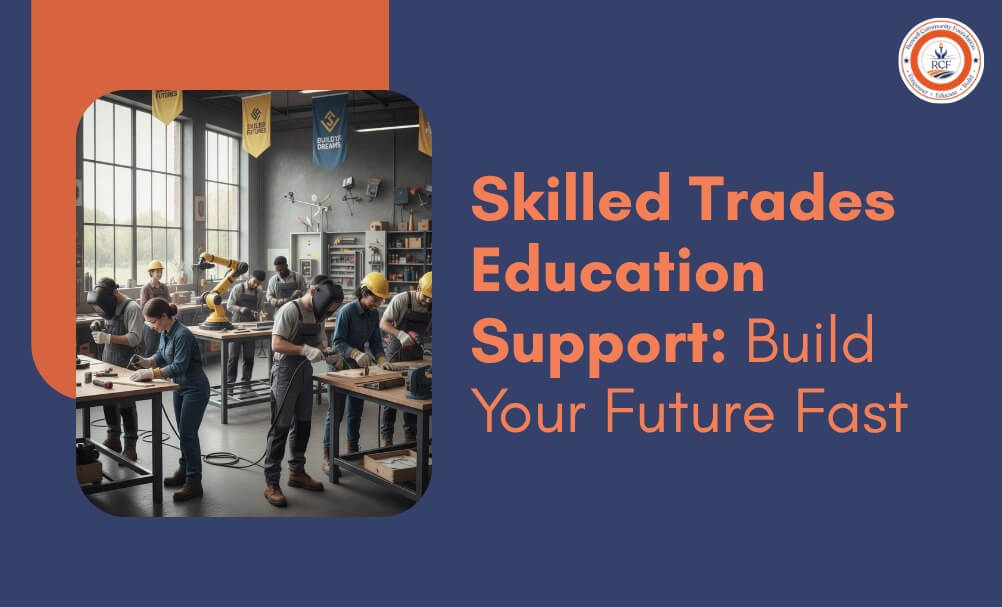
Skilled trades are the backbone of our whole communities. Plumbers, electricians, welders, and carpenters build the homes we live in and keep our cities running smoothly. Over the last few years, these jobs have seen a massive surge in demand.
However, getting the right training requires time, effort, and money. This is where skilled trades education support steps in to help. By accessing financial aid, equipment funding, and proper guidance, you can bypass the traditional four-year college route and jump straight into a lucrative career.
If you want to start earning a steady paycheck without taking on massive student debt, learning a trade is an incredibly smart choice. We will break down everything you need to know about getting the funding and assistance required to launch your new career.
What Is Skilled Trades Education Support?
Skilled trades education support refers to any financial, physical, or educational assistance given to students pursuing a career in the trades. Learning a trade requires specific training, certification, and hands-on practice. Support programs exist to remove the barriers that might stop someone from completing that training.
This help comes in varied forms. Some programs give direct financial help, that pays for tuition or certification exams. Varied initiatives focus on supplying physical gear you need on a job site, such as heavy-duty boots, specialized tools, and safety equipment.
A wide variety of organizations offer this kind of help. Nonprofits, local governments, industry associations, and the trade schools themselves all want to encourage new workers to enter the field. They know that an investment in your education is an investment in the local economy. For more detailed statistics on labor economics and job availability across different sectors, you can explore resources from the U.S. Bureau of Labor Statistics.
Why Skilled Trades Careers Are Growing Fast
The demand for skilled workers is more than it has been in decades. Society will always need electricity, clean running water, and safe buildings. Because these services are essential, the jobs tied to them offer incredible stability.
One major reason these careers are growing is the speed at which you can enter the workforce. You do not need a four-year degree to become a successful tradesperson. Traditional universities often require years of general education classes before you ever touch your major. Trade schools, on the other hand, focus strictly on the skills you need for your specific job. You can often complete your primary training in a matter of months or a couple of years.
Additionally, college costs continue to rise. Many young adults are looking for alternative ways to build a career without being saddled with decades of debt. You can view educational trends and institutional data through the National Center for Education Statistics. By choosing a trade, you enter the workforce faster, start earning money sooner, and avoid the heavy financial burden of a standard university degree.
Types of Skilled Trades Education Support Available
There are many different resources out there to help you succeed. Understanding the specific types of support will help you figure out what you need to apply for.
Trade School Scholarships
Scholarships are essentially free money that you do not have to pay back. They are designed to help students cover the cost of their tuition, fees, and sometimes living expenses. Many local community foundations and industry groups offer scholarships support specifically for students attending vocational or technical schools. Getting a scholarship drastically reduces the financial stress of going back to school.
Apprenticeship Programs
An apprenticeship is one of the best ways to learn a trade because you get paid while you learn. Instead of sitting in a classroom all day, you work on a real job site under the supervision of a master tradesperson. These apprenticeship opportunities bridge the gap between classroom theory and real-world application. You gain hours of practical experience and earn a paycheck at the same time.
Tools and Equipment Support
Many people forget that starting a trade requires buying specialized gear. Mechanics need heavy-duty wrenches, welders need protective helmets, and electricians need insulated hand tools. This equipment is expensive. Fortunately, many workforce development programs provide tools and equipment support for students. They offer grants, vouchers, or direct donations of gear so you can show up to your first day on the job fully prepared.
Mentorship and Career Guidance
Financial help is crucial, but having someone to guide you is equally important. Mentorship programs pair you with experienced professionals who can give you advice, help you network, and show you how to navigate the industry. Good trade education programs often include strong career counseling to ensure you know exactly how to land a job after you finish your training.
Who Can Apply for Skilled Trades Support?
A common misconception is that trade support is only for recent high school graduates. The truth is that these programs are open to a wide variety of people looking to improve their lives.
- High School Students: Young adults looking to enter the workforce immediately after graduation.
- Career Changers: Adults who are unhappy in their current jobs and want to transition to a more hands-on, rewarding career.
- Veterans: Former military members looking to translate their hands-on military experience into civilian careers.
- Low-Income Individuals: People who have the drive to work hard but lack the upfront funds to pay for school and tools.
No matter your background, there are career pathways in skilled trades designed to help you succeed.
How to Apply for Skilled Trades Education Support
Securing funding and assistance might seem complicated, but it is actually a very straightforward process. Follow these basic steps to get started.
- Choose your trade: Decide which field interests you the most. Do you like working with wood, metal, or electricity? Research the daily tasks of different trades to see what fits your personality.
- Find vocational training programs: Look for accredited trade schools, community colleges, or union halls in your area that teach your chosen trade. Make sure they offer recognized certifications.
- Apply for funding: Fill out the Free Application for Federal Student Aid (FAFSA) to see if you qualify for federal grants. Then, look for local nonprofits and community foundations that offer trade certification funding.
- Join training or an apprenticeship: Once your funding is secured, enroll in your classes or sign up as an apprentice. Show up on time, work hard, and start building your skills.
Benefits of Skilled Trades Education Support
Getting the right help early on sets you up for long-term success. When you use education support, you get to focus entirely on your training rather than worrying about how to pay your bills.
One major benefit is the ability to generate a faster income. Because trade programs take less time to complete than traditional college degrees, you enter the workforce and start earning money much quicker. You also enjoy incredible job security. You cannot outsource a plumbing emergency or a broken HVAC system to another country. These jobs have to be done locally by trained professionals.
Another massive advantage is hands-on learning. If you are someone who learns better by doing rather than sitting through lectures, a trade is a perfect fit. Finally, by utilizing grants and tool funding, you graduate with little to no student debt, allowing you to keep the money you earn.
Common Mistakes to Avoid
While the path to a trade career is clear, students still make a few common errors along the way.
First, many people fail to research their programs thoroughly. Not all schools are created equal. You need to make sure the program you choose provides the specific certifications employers in your area actually want.
Second, students often ignore financial aid opportunities. They assume they will not qualify for scholarships or tool grants, so they simply do not apply. Always submit applications for any support you can find. You leave free money on the table when you skip this step.
Lastly, some people rush into choosing a trade without considering the physical demands of the job. Take the time to understand exactly what you will be doing every day so you do not end up in a field you dislike.
How Skilled Trades Build a Strong Future
Entering a trade is not just about getting a job for today. It is about building a secure, long-term career for your future. The skills you learn are yours to keep forever.
Because global demand for these workers is so high, you will have opportunities to work almost anywhere. Furthermore, mastering a trade opens the door to business ownership. Many successful electricians, plumbers, and builders work for a company for a few years to learn the ropes, then branch out to start their own successful contracting businesses. You are not just learning a skill; you are learning an entire industry from the ground up.
Real-Life Example: From Student to Business Owner
To understand the real impact of skilled trades education support, look at the story of a young man named David.
David was working part-time retail jobs after high school. He knew he wanted to work with his hands, but he did not have the money to pay for welding school or the expensive safety gear required to start. He discovered a local community foundation that offered vocational training programs and tool funding.
David applied and received a grant that covered his tuition and bought his first welding helmet and protective jacket. Because he did not have to stress about paying for school, he threw himself into his apprenticeship. Within two years, he was a fully certified welder making a comfortable, steady income. David runs his own small mobile welding business, taking on high-paying contracts across his state. That initial support changed the entire trajectory of his life.
How to Choose the Right Trade for You
Picking the right field is a deeply personal decision. You need to align your natural skills with your interests and the current market demand.
Take a moment to think about kind of work you actually enjoy. If you like figuring things out and paying attention to small details, something like electrical work or HVAC repair could suit you well. On the other hand, if you prefer hands-on work and like seeing a big project come together step by step, construction or carpentry might feel like a better fit.
Always look at the job market in your specific city. Talk to local contractors to see who they are hiring. Choosing a trade with high local demand ensures you will have plenty of job offers the moment you finish your training.
Take the Next Step Toward Your Career
Skilled trades education support offers a clear, debt-free path to a rewarding career. By taking advantage of scholarships, apprenticeships, and tool funding, you may build a stable, high-paying future for yourself and your family. The world needs people who know how to build, fix, and create.
If you are ready to take control of your career, we are here. About Rennell Community Foundation: we are dedicated to providing the financial assistance, tools, and mentorship you need to succeed in the trades.
Do not let the cost of training hold you back from your potential. Reach out to us today to Contact / Get involved and learn how our support programs can help you step confidently into your new profession.