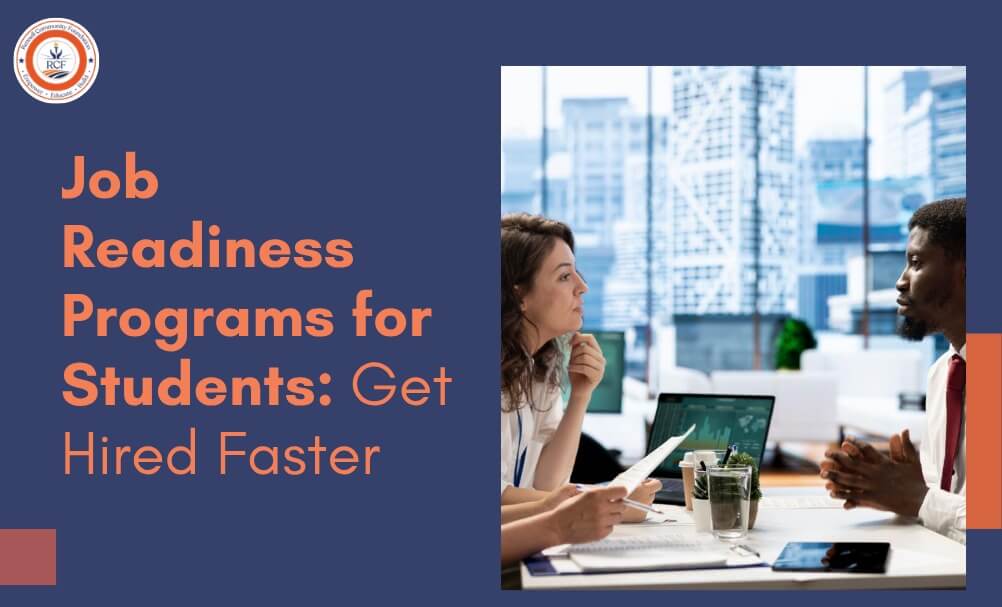
Job Readiness Programs for Students: Get Hired Faster
Finding your first job after finishing school may feel like a steep climb. You have the diploma, but employers keep asking for experience you do not have yet.
Fortunately, there is a straightforward way to cross this gap. Job readiness programs for students provide the exact skills hiring managers want to see. These courses focus entirely on what you need to know to perform well in an actual work environment. You get to bypass the confusion and learn exactly how to succeed in a professional setting.
Students can explore hands-on options through career training programs designed to build real job skills. By taking advantage of these opportunities, you give yourself a massive head start.
What Are Job Readiness Programs for Students?
Job readiness programs for students are structured training courses designed to prepare you for the workforce. Rather than focusing on academic theories, they teach you how to function and excel in a job. You learn the practical rules, tools, and habits required by modern employers.
Traditional education gives you a foundation of knowledge. Job readiness training for students takes that foundation and turns it into action. You learn how to answer phones professionally, use specific software, or operate machinery. The goal is to make sure you can walk into a new job on day one and know exactly what to do.
For reliable career data and to understand what different jobs require, you can refer to the U.S. Bureau of Labor Statistics occupational outlook. This tool helps you see exactly why hands-on preparation makes such a big difference.
Why Job Readiness Programs Are Important Today
Employers are often looking for people who already know the basics and can get started with less training. That’s why hands-on career programs can be so valuable. They may help you build practical skills making you more prepared for the job and more appealing to employers.
When you complete one of these programs, you experience faster hiring times. Companies recognize the value of job skills training for beginners. They know you have already learned the basics of professional behavior and technical tasks. This makes them much more confident in offering you a position.
Beyond that, you will feel better about your own abilities. Walking into an interview knowing you have actual training boosts your confidence. Industry demand for well-prepared workers is massive right now, and completing a program puts you right at the front of the line.
Key Skills Taught in Job Readiness Programs for Students
Workforce development programs for youth focus on a mix of soft and hard skills. Here is a breakdown of what you can expect to learn.
Communication Skills
You will learn how to speak clearly and write professional emails. Good communication prevents mistakes and helps you work well with your team. Programs teach you how to listen actively and share your ideas without causing confusion.
Technical Skills
Every job requires certain tools. You might learn how to use a specific computer program, operate a cash register, or handle specialized trade equipment. This training ensures you are comfortable with the tools of your chosen trade.
Problem-Solving Skills
Things go wrong at work all the time. Employability skills training teaches you how to stay calm and find solutions. You will practice looking at a problem, thinking about your options, and making a smart choice.
Workplace Behavior
Professionalism matters. You will learn about appropriate workplace clothing, how to handle disagreements, and how to respect company rules. Understanding workplace behavior keeps you out of trouble and helps you earn promotions.
Time Management
Bosses expect you to finish your work on time. You will learn how to organize your day, prioritize your tasks, and avoid distractions. Good time management makes your work day less stressful and more productive.
Types of Job Readiness Programs for Students
There are several different paths you can take to get ready for the workforce.
Trade Training Programs
These programs focus on specific physical skills like plumbing, electrical work, or carpentry. They are highly focused and teach you exactly how to do a specific, in-demand job.
Apprenticeship Programs
Apprenticeships allow you to learn while you earn money. You work alongside an experienced professional who teaches you the trade step by step. This is a very common method for entering technical fields.
Internship Programs
Internships give you temporary work experience at a company. They are a great way to see what an office environment is like and to practice your basic skills. Many internships turn into full-time jobs.
Workforce Development Programs
These are often run by community organizations or local governments. Many students benefit from structured training and mentorship programs available here. They offer a broad range of support, from resume writing to specific skill building.
Step-by-Step Guide to Join a Job Readiness Programs for Students
Getting started is easier than you might think. Follow these simple steps to begin your journey.
Step 1: Identify Your Career Goal
Think about what kind of work you want to do. Do you want to work with computers, build things with your hands, or help people in a medical office? Having a basic goal helps you pick the right training.
Step 2: Research Programs
Look for career preparation programs that match your goals. Read online reviews, talk to your school counselor, and look at community boards. Make sure the program teaches the specific skills you need.
Step 3: Apply for Financial Support
Training can cost money, but you rarely have to pay for it entirely on your own. To reduce costs, many students apply through scholarship opportunities for training programs. You can also review official aid options on the U.S. Department of Education website.
Step 4: Join Training
Once accepted, commit to showing up every day. Treat the training program exactly like a real job. Be on time, pay attention, and ask questions when you do not understand something.
Step 5: Build Skills
Take advantage of every resource the program offers. Practice the technical tasks until you are comfortable. Work on your communication and teamwork skills with your classmates.
Step 6: Apply for Jobs
Many programs offer job placement support programs. Work with your instructors to write your resume and practice your interview skills. Start sending out applications as you get close to finishing the course.
Who Can Join Job Readiness Programs?
Job readiness programs for students are open to a wide variety of people. If you are currently in high school, you can often take classes after school or during the summer. Fresh graduates who are struggling to find work use these programs to gain a competitive edge.
Career starters who want to switch from a dead-end job into a skilled profession also benefit greatly. Young adults looking for a clear path forward will find that these programs offer the structure and support they need to succeed.
Benefits of Job Readiness Programs for Students
The biggest advantage is faster job placement. Because you have the skills employers want, you spend less time searching for work. You also gain highly practical skills that you will use every single day on the job.
Industry exposure is another huge benefit. You get to meet people who already work in the field. These connections may lead to job offers later. Later, you gain better confidence. Knowing you are prepared removes the fear of the unknown.
Common Mistakes to Avoid
Many students fail to choose the right program. They pick something because it is easy, not because it matches their career goals. Always make sure the training aligns with the job you actually want to do.
Many people put all their attention on learning the technical side of the job and overlook communication and teamwork. However, being able to speak clearly, work with others, and stay professional matters just as much in many workplaces. Learning from experienced mentors can also make a big difference because they share practical advice that comes from real job experience. It’s also smart to apply for financial aid as early as possible so you have enough time to prepare and avoid extra stress later.
Real-Life Example
Consider the story of a recent graduate named Marcus. Marcus spent six months applying for entry-level technical jobs after high school, but he never got past the first interview.
Frustrated, Marcus enrolled in a job readiness program for students that focused on technical trades. For eight weeks, he learned how to use specific tools, how to communicate with customers, and how to manage his time on a job site.
After completing the training, the program helped Marcus secure an interview with a local company. Because he could demonstrate actual skills and answered questions confidently, he was hired on the spot. You can also read our guide on starting a trade career step by step to understand the full journey.
How to Choose the Right Job Readiness Programs for Students
When selecting a program, look at industry demand. Are companies actually hiring for the skills this program teaches? You want to make sure there are jobs waiting for you at the end.
Check the training quality by looking at who is teaching the classes. Instructors should have real experience in the field. Consider the cost and make sure it fits your budget, utilizing scholarships when possible. Finally, look for programs that offer placement support. If you need guidance choosing the right program, you can reach out for support here.
Future Career Opportunities After Training
Completing a program sets you up for excellent entry-level jobs. You will enter the workforce with a solid foundation, ready to contribute immediately.
From there, career growth happens naturally. Because you learned how to behave professionally and manage your time, bosses will notice your good habits. As you gain more experience, you can focus on skill upgrades to move into management or highly specialized roles.
Take the Next Step in Your Career
Job readiness programs help students prepare for the move from school into the working world. They focus on building practical skills, workplace habits, and confidence so students feel more prepared during interviews and on the job. Hands-on training and real-world guidance can also help people avoid common beginner mistakes and adjust more easily to a professional work environment.
If you’re ready to move forward in your career, organizations like the Rennell Community Foundation offer support through training, mentorship, and financial assistance. Taking time to research programs, apply for the right opportunities, and build practical skills may help you feel more prepared for the future and open the door to better career opportunities.