
Short-Term Vocational Training Courses That Get Jobs Fast
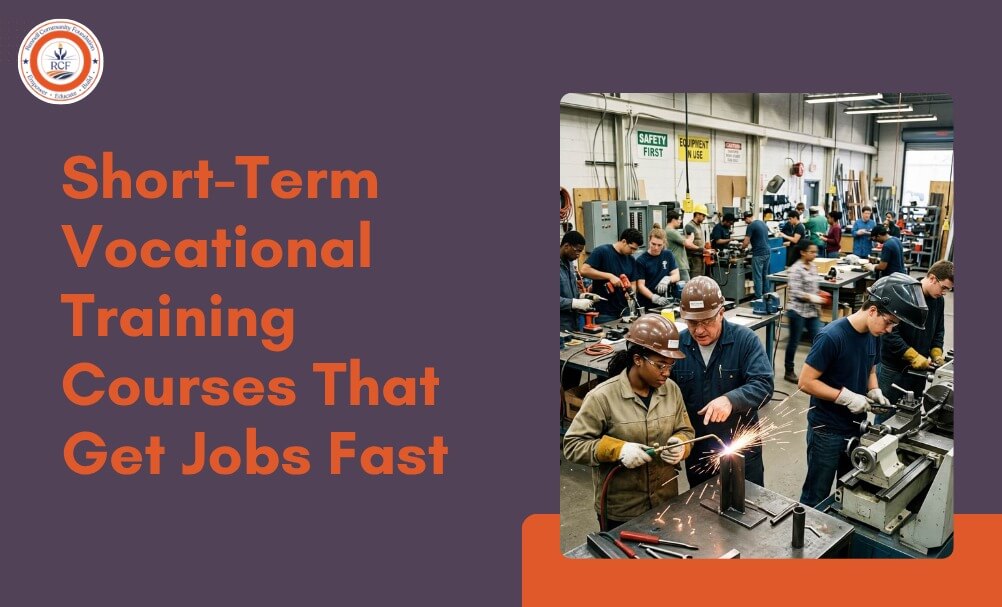
More people than ever are taking a closer look at career paths that don’t require spending four years in college. While a university degree is still right choice for some, others are looking for ways to gain practical skills, start working sooner, and avoid the high costs that often come with a traditional degree program.
One reason for this shift is simple: many employers are looking for people with specific skills that can be applied on the job right away. As a result, training programs that focus on real-world experience and career preparation have become increasingly popular.
Short-term vocational and technical programs are designed for people who want to learn a skill and start working as soon as possible. Instead of spending years studying a wide range of subjects, students focus on the training that’s directly connected to their chosen career.
Depending on field, some programs may be completed in a matter of months, helping students move from training to employment much faster than they might through a traditional degree path. The emphasis is even on hands-on learning, practical experience, and preparing students for the day-to-day realities of the job.
For people who want to start building a career without a lengthy educational commitment, these programs can provide a valuable opportunity.
What Are Short-Term Vocational Training Courses?
Short-term vocational training programs are a good fit for people who want to learn a trade or develop career-specific skills without committing to several years of education. Instead of taking a variety of academic courses, students spend their time learning the skills, techniques, and hands-on tasks that are directly related to the work they plan to do. The focus is on practical learning and helping students become prepared for real jobs in a relatively short amount of time.
The length of training depends on the field and the level of skill required. Some programs can be completed in a matter of weeks, while others may take several months. No matter the timeline, the emphasis is usually on helping students develop skills they can use in the workplace as quickly as possible.
These programs are available in many industries, including construction, healthcare, information technology, manufacturing, and other fields where skilled workers are in demand.
One of the biggest differences between vocational training and traditional education is the focus on hands-on learning. Students often spend a significant amount of time working with the tools, equipment, software, or technology they are likely to use in their future careers. This practical experience helps them become comfortable with real-world tasks and workplace expectations.
By the time they complete their training, many students have already practiced the skills required for the job and gained a better understanding of the work they’ll be doing. That experience may make the transition into a new career feel more natural and help them begin their first role with greater confidence.
Why More People Are Choosing Vocational Training
One of the biggest reasons people consider these programs is the ability to start working sooner. Instead of spending years in a classroom, they can focus on learning a specific skill and move into the workforce much more quickly.
These programs are especially appealing to people who prefer hands-on learning. Some people learn best by actually doing the work, using tools, solving problems, and gaining experience through practice. Vocational training gives them the chance to develop those skills in a practical setting.
There is also a steady need for skilled workers across many industries. Businesses continue to look for people who can perform specialized tasks, operate equipment, install systems, make repairs, and keep essential services running. Because of this, individuals with the right training often find a variety of opportunities available to them.
For many students, the appeal is simple: learn a useful skill, gain real-world experience, and start building a career without spending years preparing for it.
Benefits of Short-Term Vocational Training Courses
Choosing to pursue vocational courses for employment comes with a host of distinct advantages. These programs are meticulously crafted to deliver maximum value to the student in the shortest possible timeframe.
Faster Career Start
Time is money, and spending years in a classroom delays your earning potential. Short-term vocational training courses allow you to bypass lengthy academic requirements. You gain the exact qualifications needed to secure employment rapidly.
Practical Skills Development
Theory only takes you so far in the real world. Vocational programs prioritize hands-on experience over textbook memorization. By the time you graduate, you have already practiced the exact tasks your future employer will expect you to perform.
Lower Education Costs
Avoiding crippling student debt is a major priority for today’s learners. Vocational education programs typically cost a fraction of what a traditional college degree demands. Because the programs are shorter, you pay for fewer credit hours, fewer facility fees, and fewer textbooks. This makes it possible to graduate debt-free or pay off any small loans very quickly.
High-Demand Career Opportunities
Skilled trades training courses are designed around the actual needs of the local and national economy. Industries like construction, plumbing, and electrical work are facing massive labor shortages. By completing job-ready vocational training, you position yourself in a job market where employers are competing for your skills, often leading to better pay and job security.
Workforce Readiness
Employers highly value candidates who require minimal onboarding. Career readiness programs baked into vocational training ensure that you understand workplace safety, industry standards, and professional expectations. You graduate as a fully prepared professional, making you an incredibly attractive candidate to hiring managers.
Popular Short-Term Vocational Training Courses
If you are considering this educational path, there are numerous options available. The best vocational training courses align with industries that show consistent growth and resilience.
Construction Training
The construction industry is the backbone of urban development and infrastructure. Construction training programs teach foundational skills such as blueprint reading, site safety, framing, and material handling.
HVAC Technician Programs
Heating, ventilation, and air conditioning (HVAC) systems are essential for modern living and commercial operations. HVAC technician programs cover refrigeration cycles, electrical wiring, and system troubleshooting.
Electrical Trade Training
Electricians are in high demand everywhere. Electrical trade training covers the National Electrical Code, circuit installations, and safety protocols. Students learn how to wire commercial and residential buildings safely. Completing these skilled trades training courses is an initial step toward securing a lucrative apprenticeship and a journeyman license.
Welding Courses
Welding is an art and a science used in construction, manufacturing, and automotive repair. Welding courses provide intensive hands-on practice with various techniques, such as MIG, TIG, and Stick welding. Because precision is critical, this fast-track career training focuses heavily on safety, metal properties, and reading technical schematics.
Plumbing Programs
Plumbers do much more than fix leaky pipes; they install complex water and gas systems in new builds and maintain vital municipal infrastructure. Plumbing programs teach students about pipefitting, water dynamics, local codes, and sanitation. This field gives high pay and the flexibility to eventually start your own independent contracting business.
Manufacturing and Technical Skills Training
Modern manufacturing has changed dramatically over the years. Many facilities now use advanced equipment, automated systems, and precision machinery to produce everything from consumer products to industrial components.
How to Choose the Right Vocational Course
Before choosing a training program, take some time to think about the type of work that suits you best. Everyone is different. Some people enjoy being active, working outdoors, and seeing the results of their efforts firsthand.
Before enrolling, take a look at the job opportunities in your area. A training program is most valuable when it leads to real employment prospects after graduation. Researching local industries and talking to employers may give you a better idea of which skills are in demand.
Another thing to look for is whether the program offers certifications that employers recognize. Having a respected credential on your resume can help demonstrate your skills and make you a stronger candidate when applying for jobs.
The more research you do before choosing a program, the better your chances of finding a path that fits your goals and leads to opportunities you can build a future around.
How Vocational Training Leads to Employment
For most students, the goal of training is simple: gain the skills needed to find steady, meaningful work. One reason vocational programs appeal to so many people is that they are often built around the needs of real employers and local industries.
Some programs also give opportunities to gain experience while learning. Apprenticeships, internships, and other forms of workplace training allow students to learn from experienced professionals and get a feel for the day-to-day realities of the job.
Career support may also play an important role. Many schools and training centers help students prepare for the job search by offering guidance with resumes, interview preparation, and job applications. They may also connect students with local employers who are looking to hire.
Having access to training, real-world experience, and career support may make the transition from student to employee much smoother. For many people, those resources provide both practical help and added confidence as they begin their careers.
Financial Support Can Make Training More Affordable
Paying for training is a concern for a lot of people, even when the program costs much less than a traditional college degree. Once you factor in tuition, tools, supplies, and other expenses, it’s natural to wonder how you’re going to cover everything.
The good news is that help is even available. Many students are able to reduce their training costs through scholarships, grants, and other funding opportunities.
Depending on the program, help may also be available for things like tools, equipment, uniforms, or certification fees. These expenses can be difficult to manage when you’re just starting out, so any extra support can take a lot of pressure off.
Before ruling out a program because of such cost, it’s worth taking the time to see what funding options are available. Many people look for opportunities they didn’t know existed and end up paying far less than they originally expected.
Common Mistakes to Avoid When Choosing a Training Program
Choosing a training program isn’t something you want to rush. While cost is vital, it should not be only factor that may guide your decision. A program may seem affordable at first glance, but if training is outdated or doesn’t prepare students for real jobs, it may not be worth the right investment.
It’s even a good idea to look into the job opportunities connected to the skills you’ll be learning. Before committing your time and money, spend some time researching local employers and the types of workers they are looking for. Knowing there’s demand for those skills can give you more confidence in your decision.
Don’t be afraid to ask certain questions about what happens after graduation, either. Some training providers give career support, help students connect with employers, or provide guidance during the job search process.
Success Story Example
Consider the story of a recent high school graduate named Michael. Unsure of his next steps and wanting to avoid massive student debt, he enrolled in a six-month electrical trade training program.
During his short-term vocational training courses, Michael gained hands-on experience wiring residential mock-ups and learning safety codes. Because his instructors were industry veterans, he received invaluable mentorship. Upon graduation, the school’s career support team helped him refine his resume and connected him with a local commercial contractor. Michael started as an apprentice just weeks after completing his course. Today, he earns a competitive salary, enjoys excellent benefits, and is well on his way to becoming a licensed journeyman electrician, completely free of educational debt.
Why Workforce Development Programs Matter
A thriving community relies on a capable, skilled labor pool. Workforce development programs play a critical role in bridging the gap between eager job seekers and businesses desperate for talent.
These programs go beyond basic education; they actively support students in overcoming barriers to employment. By building strong local workforces, these initiatives support broader economic growth and attract new businesses to the area. Furthermore, they create long-term career opportunities for individuals who might otherwise be left behind by the modern economy. To understand the profound impact of these initiatives, read about workforce development programs that prepare young adults for careers.
Future Outlook for Vocational Careers
There are many reasons to feel optimistic about the future of vocational careers. Across a wide range of industries, employers continue to look for skilled workers who can bring practical knowledge and hands-on experience to the job.
As experienced professionals retire, businesses are working to attract and train the next generation of workers. This creates opportunities for people entering fields such as construction, manufacturing, electrical work, plumbing, HVAC, transportation, and many other skilled professions.
New technologies and industries are even creating demand for workers with specialized skills.
One of the strengths of many vocational careers is that they involve work that needs problem-solving, technical knowledge, and hands-on expertise. These skills remain valuable because they depend on human judgment, experience, and the ability to adapt to real-world situations.
A vocational career can also lead to a variety of opportunities over time. Some people choose to specialize in a particular area, while others move into supervisory roles, project management positions, or business ownership. As experience grows, so do the possibilities.
For people who enjoy practical work and want to build a long-term career, the skilled trades continue to offer a path with strong opportunities for growth, stability, and professional development.
The Fast Track to a Better Future
For many people, vocational training offers a practical way to learn valuable skills and begin a career without spending years in school. These programs focus on real experience, that helps students develop the knowledge and confidence needed to step into the workforce in a relatively short amount of time.
Beyond the training itself, support services such as mentorship, career guidance, and job placement assistance can make a meaningful difference.
Strong vocational programs don’t just benefit individual students, they also help strengthen local communities by preparing skilled workers for industries that need them. As more people gain the skills employers are looking for, businesses, workers, and communities all benefit.
At Rennell Community Foundation, we look forward to helping people create opportunities for themselves and their families. Whether someone is exploring a new career, learning a trade, or looking to build new skills, we aim to offer you support, guidance, and resources that can help them move forward with confidence.
FAQ
What are short-term vocational training courses?
They are focused educational programs designed to teach specific, practical skills required for a particular trade or profession, bypassing general education requirements to prepare students for immediate employment.
Which vocational courses lead to jobs quickly?
Programs in high-demand fields such as HVAC maintenance, electrical trades, plumbing, welding, and construction frequently lead to rapid employment due to severe skilled labor shortages.
How long does vocational training take?
Depending on the specific trade and the complexity of the curriculum, most short-term training programs can be completed in anywhere from a few weeks to several months.
Are vocational courses worth it?
Yes. They require a significantly lower financial investment than a four-year degree, allow you to enter the workforce faster, and equip you with skills that are currently in incredibly high demand.
Can I get financial help for vocational training?
Absolutely. Many students utilize scholarships, community workforce development grants, and specialized funding programs to cover the costs of tuition and required trade equipment.